East African Safari for First-Time Visitors: What to Know Before You Go
How long to go, Kenya or Tanzania, the best months, what a safari day is really like, and the mistakes first-timers make most often.
An East African safari for first-time visitors should feel exciting, not exhausting. The difference usually comes down to a few planning choices: picking the right country to start in, giving yourself enough days, and matching the season to what you most want to see.
This guide covers the decisions that matter most, in the order you'll need to make them.
Kenya, Tanzania or both?
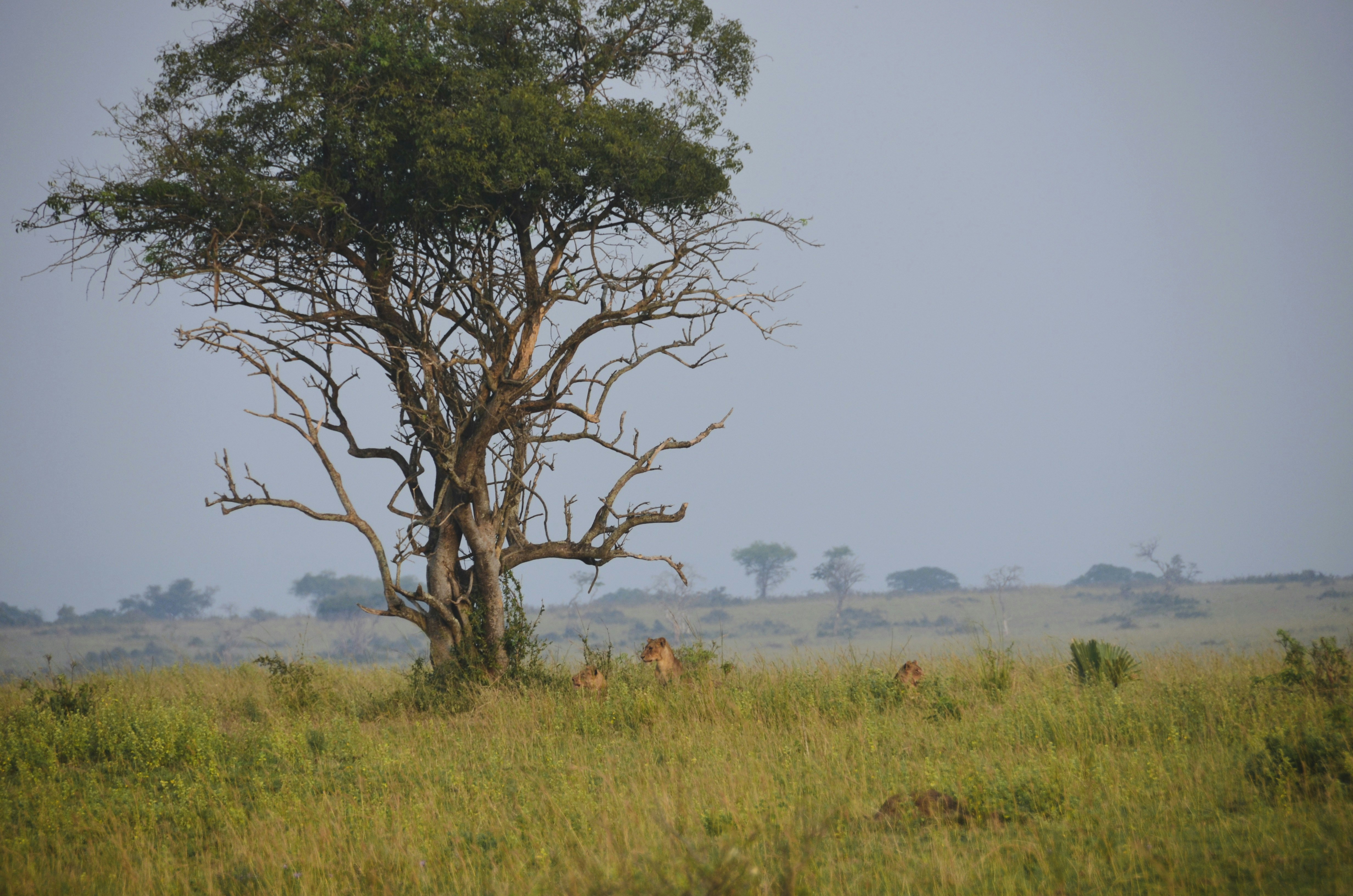
Kenya is the easiest place to start. International flights land in Nairobi, and the Maasai Mara, Amboseli, Lake Nakuru and Lake Naivasha are all reachable by road in a few hours. Kenya suits short trips and first safaris well, and you can see the Big Five without flying between parks.
Tanzania holds the Serengeti and the Ngorongoro Crater. Distances are bigger, so trips tend to be longer or use light-aircraft flights.
Both works well on a trip of nine days or more. The usual road crossing is the Namanga border between Nairobi and Arusha. Our 10-day East African safari itinerary shows how the route fits together.
If mountain gorillas are on your list, Rwanda and Uganda are a separate leg, usually reached by a short flight from Nairobi.
How many days you need
| Trip length | What fits comfortably |
|---|---|
| 3 days | The Maasai Mara or Amboseli on its own. A taste of safari, with long drives on the first and last day. |
| 4–7 days | Two or three Kenyan parks, for example the Mara with Lake Nakuru and Lake Naivasha. The sweet spot for most first safaris. |
| 8–10 days | Kenya's main parks, or Kenya combined with northern Tanzania. |
| 12+ days | Add gorilla trekking in Rwanda or Uganda, or finish on the beach in Zanzibar or Diani. |
A common first-timer mistake is cramming four or five parks into a week. Every move between parks costs half a day or more on the road. Two nights per park is a good minimum.
When to go
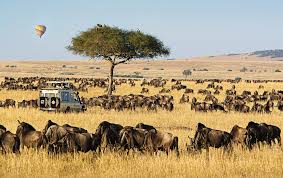
- June to October: dry season. Animals gather near water and grass is short, which makes them easier to spot. The Great Migration is usually in the Maasai Mara from about July to October. This is also the busiest and most expensive period.
- January to February: a second dry spell. Good game viewing, fewer vehicles, and wildebeest calving in Tanzania's southern Serengeti.
- March to May: the long rains, heaviest in April and May. Lower prices and green landscapes, but some roads get muddy and a few camps close.
- November to December: short rains, usually brief afternoon showers. Good value before the Christmas rush.
There is wildlife to see all year. The Great Migration guide explains where the herds are month by month if that's the reason for your trip.
What a day on safari looks like
Days start early. Animals are most active in the cool of dawn, so the first game drive usually leaves around sunrise. You return to camp for a late breakfast or brunch, rest through the midday heat, then head out again for an afternoon drive until close to sunset. On some days you'll take a packed lunch and stay out for a full day, especially in the Maasai Mara.
A few rules apply in every park: stay inside the vehicle unless your guide says otherwise, keep your voice down near animals, and never ask a driver to leave the track where off-road driving isn't allowed. Good guides know how close they can get without disturbing the animals.
Private or shared vehicle?
On a shared safari you join other travellers in the same vehicle, which lowers the cost. On a private safari the vehicle and guide are yours, so you set the pace. If you are a photographer, travelling with children, or simply want to spend an hour watching one lion, private is worth the extra cost. Our guide to Kenya safari costs shows how much the difference usually is.
Entry documents and health
- Kenya eTA: every visitor needs an approved Electronic Travel Authorization before boarding, including babies and children. It covers a single entry. If your trip leaves Kenya for Tanzania and comes back to Nairobi for your flight home, you will need another eTA to re-enter. Apply only on the official government portal.
- Tanzania visa: Tanzania has its own visa. Apply online before you travel.
- Vaccinations and malaria: see a travel health clinic six to eight weeks before departure. Ask about yellow fever certificate requirements for your exact route and about malaria prevention, which is recommended for most safari areas.
- Passport: check it is valid for at least six months after you arrive and has blank pages.
What to pack
- A soft bag, not a hard suitcase. Light aircraft have strict luggage limits, often around 15 kg including hand luggage, and soft bags fit in vehicles more easily.
- Layers. Early mornings in the Mara and Amboseli can be cold, and afternoons hot. A fleece, a light jacket and long trousers cover most days.
- Neutral colours. Khaki, olive and beige are practical. Avoid dark blue and black in tsetse fly areas.
- Sun protection: a wide-brimmed hat, sunglasses and high-SPF sunscreen.
- Binoculars, one pair per person if possible.
- A power bank and spare memory cards. Charging can be limited in some camps.
- No plastic carrier bags. Kenya bans single-use plastic bags, including in your luggage.
Money and tipping
US dollars are widely accepted for tips and park-related payments. Lodges usually take cards, and mobile money (M-Pesa) is everywhere in Kenya. Tipping your driver-guide and camp staff is customary and genuinely appreciated, though the amount is always your choice. Many travellers set aside a daily amount for the guide, shared across the group, and a smaller amount for camp staff.
Mistakes first-time visitors make
- Booking too many parks in too few days.
- Assuming park fees are included without checking.
- Leaving July to October Maasai Mara bookings too late.
- Expecting a river crossing on a fixed day. Crossings happen when the herds decide.
- Packing a hard suitcase for a trip with light-aircraft flights.
A good first safari from Nairobi
For most first-time visitors, four to five days in Kenya is the right first trip: the Maasai Mara for big cats and open plains, then Lake Nakuru or Lake Naivasha for rhinos, birdlife and a change of scenery. You can browse our Kenya safaris, or request a free quote and tell us what you'd most like to see.
Trips that match this guide
- 4-Day Maasai Mara & Lake Naivasha Safari From USD 1,235 per person
- 5-Day Maasai Mara, Lake Nakuru & Lake Naivasha Safari From USD 1,600 per person
- 3-Day Amboseli Safari from Nairobi From USD 795 per person
Want it adjusted for your dates or budget? Request a free quote and a planner will reply with options.